The beginning of school crept up on me with stealth and under cover of darkness. I received a text on Saturday evening suggesting it would be "good for me" to go to the new teacher orientation Monday. That's it. No time, no location, no further notice. I was left scrambling for how exactly to arrange a nanny.
A Sunday night email gave me a time - 1:00- and an even later text (10:20!) let me know 2 o'clock would be good. Despite the contradiction, I made it to school on time, enjoyed a somewhat decent lunch and discovered the week would be full of orientation type stuff. So long vacation, hello working world.
Having spent most of my meetings at the French school staring at chic shoes, I was determined not to let it happen again (Not to mention the walk part of my commute in a pair of gifted new shoes that tore my feet up- again. I could digress into an entirely new post about the hazards of women's footware, but I'll try to stay focused.)
With no time to spare, I resolved to find my courage and head down to 9kilo and buy some shoes. Simple. I have never been a great shopper- it's just not something I do well. Shopping in public is kind of my nightmare. You might think there is really no other way to shop, but I am ready to argue that it is possible to find a fairly private aisle for shoe browsing, trying on and purchasing in a department store or even a mall shoe store.
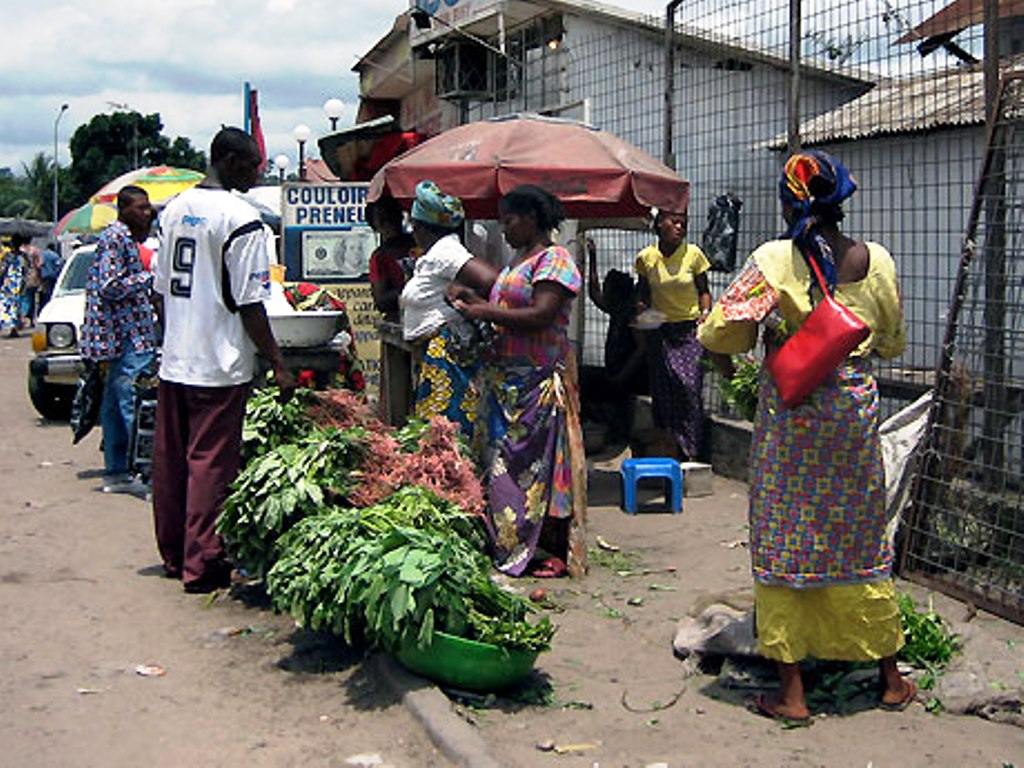
9kilo (Neuf kilo, as we call it) is the intersection of two major roads. There is a small grocery store, a home supply store and a collection of restaurants. The Librarie de France is here along with a bank and an Orange cellphone recharge, supply and money transfer office. Down the entire length of one side runs a vegetable market. Because it is also on the stop for the bacchas, it is usually a bustling place. All four corners of the intersection are crowded, home to one type of taxi stop or another, and filled with vendors. In the evening the shoe and clothing sellers come out and begin setting out their wares.
The shoe displays range from a pile to pick through thrown out on a cloth on the ground to fancy rows of pairs, set out carefully with one shoe at an angle to the other giving the whole arrangement an artistic flair. It seems to usually be guys selling shoes and a few of them are generally milling about. There is not an ounce of privacy to be found.
I walked down one side of the road and back again to where I started. I stopped and watched a few women buying shoes, I eyed a few pairs myself and even conversed with a few of the sellers. They tried to make a few suggestions but nothing caught my eye enough to make me jump in. Finally, a guy yelling 1,000 franc inspired me to look again. For a thousand franc I figured I couldn't go wrong. Happily his little set up was a few steps away from the roadside and I felt slightly shielded from the masses.
Once you begin touching shoes, someone is there to help. They ask your size and then try picking stuff out for you. They will present their selection and urge you to try it on. If you accept, they are there to bend down and squeeze your foot into the shoe (no benches to sit down on means you could benefit from an extra hand, especially if your hands are full. I think it is more about maintaining dignity however.) It felt rather odd to be having a stranger put a shoe on my foot, but I fought the urge to just reach down and do it myself.
I did buy a pair or two from the 1,000 franc guy and went off in search of something truly satisfying. I'd been to all the stops and back. There was one final place that had still been setting up on my initial way past and so I hoped they'd have more of a selection. It was the last chance really.
Luckily, I found a lot of good looking shoes there. And by now I knew my size. The guy who helped me made me realize the value of a good shoe guy. After my first few choices, he understood my style and began presenting some appealing choices. He even waved off a few selections his shoe seller buddies tried to offer- vetoing on my behalf. Some of the shoes I thought for sure would be too small, actually fit. After that, I kind of trusted his judgement and even tried on a few that I wouldn't necessarily have picked myself. New style is always fun. And he was right, they looked great. Some other women trying on shoes jumped in to comment as well. 'Those are perfect for your feet," they said. What better sales pitch?
I ended up going home with 5 pairs of shoes- more than I have ever bought at any one time. They are used shoes, they probably won't last too long, but it was a lot of fun and not too expensive. I have broken my phobia of shopping en plein air and so now know I can just run down to 9kilo anytime I get a shoe jones or find myself feeling less than chic.
As one seller called out, trying them on is free, and so I'll keep that in mind as well. The whole experience left me feeling a bit pampered- and completely psyched that I won't spend the next meeting staring forlornely at all the fancy shoes in attendance.
Showing posts with label markets. Show all posts
Showing posts with label markets. Show all posts
10.8.15
1.6.12
A Battle of Law and Order
While war rages in the east, a different kind of battle is taking over Kinshasa. Kintambo Magasin is often a place of congestion- too many cars, too many people and a collection of crossroads designed to inhibit rather than facilitate the coming together of all these parties. Add to it the occasional surprise road construction project and you have the perfect confection of random chaos. So I was filled with curiosity and wonder when I drove with ease through the normally congested market area and was greeted with quiet, empty streets. I must qualify my description, which I am tempted to continue with ghost-town like qualities, by saying there were still pedestrians taking over the roadway and taxis stopping midstream in search of passengers. It was by no means deserted. However, the central square held simmering remnants of smouldering belongings and the blue uniforms of police flanked with neon yellow crossing vests were roaming in alarming numbers. Something was up.
Kintambo had been home to a small marketplace of vegetable and fruit stands, bread sellers and apple carts. You could usually find ice cream vendors, phone card and money exchange tables and a variety of miscellaneous wares filling the roadside. But not this day. I pondered the disappearance of the street sellers while the drifting smoke lent an ominous feel to the now deserted streets.
After searching a bit online, I found this small report about the city wide action. Several vendors report losing their merchandise to police who either confiscated or burned their wares. Apparently it was a government order intended to clear up the major arteries and create safer, cleaner streets.
While trying to quell my initial outrage and search for a reasonable reaction, I conducted a small, informal poll. These results seemed to match comments on the Okapi site. In general, people agree that something needed to be done to make the areas safer for all involved. It is the approach that was lacking. I can't help but empathize with feelings of injustice for the Congolese who have managed to eke out a living....coupled with my previous concern that the influx of supermarkets would overtake whatever business these entrepreneurs had managed to build up. To say nothing of the fact that the streets, while unarguably less crowded, haven't appeared any cleaner since the demolition.
Kintambo used to look something like this:
Admittedly, this photo shows an area remarkably cleaner and less crowded than the reality. In addition to the walk up buyers, the proximity to passing cars often encouraged a kind of drive by shopping as well. Now, the once busy women sit dejectedly on the stone steps just across the street, hiding under store front overhangs, leaning hopelessly against the cement walls trying to peddle a few bananas from baskets on their laps. They look lost and homeless.
Something similar happened a few years ago to the vendors at the Marche de Valeur downtown. Their market had been more defined but equally ill placed. It was a dingy, crowded collection of artists and craftspeople set in the center of downtown just by the Gare Central. They were removed, disappeared for awhile as new construction began in the building of a large fountain and vast sitting area. The Marche de Valeur can now be found several blocks further up the boulevard. There is parking, more room to walk, browse and display work and in general a cleaner, safer feel to the whole experience. And so I have been wondering why the same couldn't be done for the marketers in Kintambo. I think back to fond memories of farmer's markets in the U.S. and how parking lots are taken over or whole streets even closed for the weekly event. Of course, one day a week would not be enough for these women and men who spent their days selling and chatting under umbrellas and their nights huddled by kerosene and candle light. (I never could figure out when the market "closed.") But surely there is an area available where people could have been moved to and customers could easily find and continue to support them.
Just days after the imposition of the new orders, the taxi drivers went on an unheard of two day strike. I conducted another small, informal poll to try and determine their demands. (How would they know when to stop striking? Well, if the pressure of earning a living and providing daily food for their families wasn't so great and they could actually make a sustained statement.) Answers here were much more varied and vague. Many people suggested it had something to do with the demands by police to see the infamous "carte rouge" the rose colored card that proves one is insured. The typical routine is for police to stop, demand and wait for some kind of tip to overlook the fact that a driver may not actually have this card available. Aside from the tipping aspect of this scenario, it reminds me of the inspection stops that seem to pop up near the end of the month in the states. Just as these check-ins are rumored to be caused by police needing to fill a quota of traffic tickets, speculation abound as to the real cause of the strikes. Alex describes it best.
I heard many suggestions that the strike was related to the cost of insurance and the impossibility for acquiring and maintaining it. It's a bit harder to empathize here, as carrying insurance seems a necessity when considering the attitude and outrageous actions of many taxi drivers. Those polled seemed to feel the same way. If you can't afford insurance, you can't afford to drive. My favorite supposed cause for the taxi strike surmised that the drivers were, in fact, supporting the cause of the street vendors and trying to make a statement on their behalf.
Despite my new found addiction to morning boiled plantains being ever harder to fill without the nearby market, I grudgingly admit that change is good. Streets do need to be safer for pedestrians and drivers, motorists do need to carry insurance and the police are the most logical to enforce these rules. But ah, the growing pains of bringing law and order to the wild west.
Kintambo had been home to a small marketplace of vegetable and fruit stands, bread sellers and apple carts. You could usually find ice cream vendors, phone card and money exchange tables and a variety of miscellaneous wares filling the roadside. But not this day. I pondered the disappearance of the street sellers while the drifting smoke lent an ominous feel to the now deserted streets.
After searching a bit online, I found this small report about the city wide action. Several vendors report losing their merchandise to police who either confiscated or burned their wares. Apparently it was a government order intended to clear up the major arteries and create safer, cleaner streets.
 |
| photo by radio okapi - destruction of an outdoor eatery |
 | |
Admittedly, this photo shows an area remarkably cleaner and less crowded than the reality. In addition to the walk up buyers, the proximity to passing cars often encouraged a kind of drive by shopping as well. Now, the once busy women sit dejectedly on the stone steps just across the street, hiding under store front overhangs, leaning hopelessly against the cement walls trying to peddle a few bananas from baskets on their laps. They look lost and homeless.
Something similar happened a few years ago to the vendors at the Marche de Valeur downtown. Their market had been more defined but equally ill placed. It was a dingy, crowded collection of artists and craftspeople set in the center of downtown just by the Gare Central. They were removed, disappeared for awhile as new construction began in the building of a large fountain and vast sitting area. The Marche de Valeur can now be found several blocks further up the boulevard. There is parking, more room to walk, browse and display work and in general a cleaner, safer feel to the whole experience. And so I have been wondering why the same couldn't be done for the marketers in Kintambo. I think back to fond memories of farmer's markets in the U.S. and how parking lots are taken over or whole streets even closed for the weekly event. Of course, one day a week would not be enough for these women and men who spent their days selling and chatting under umbrellas and their nights huddled by kerosene and candle light. (I never could figure out when the market "closed.") But surely there is an area available where people could have been moved to and customers could easily find and continue to support them.
 | |||
| Farmer's Markets help everyone- buy local, eat fresh |
Just days after the imposition of the new orders, the taxi drivers went on an unheard of two day strike. I conducted another small, informal poll to try and determine their demands. (How would they know when to stop striking? Well, if the pressure of earning a living and providing daily food for their families wasn't so great and they could actually make a sustained statement.) Answers here were much more varied and vague. Many people suggested it had something to do with the demands by police to see the infamous "carte rouge" the rose colored card that proves one is insured. The typical routine is for police to stop, demand and wait for some kind of tip to overlook the fact that a driver may not actually have this card available. Aside from the tipping aspect of this scenario, it reminds me of the inspection stops that seem to pop up near the end of the month in the states. Just as these check-ins are rumored to be caused by police needing to fill a quota of traffic tickets, speculation abound as to the real cause of the strikes. Alex describes it best.
I heard many suggestions that the strike was related to the cost of insurance and the impossibility for acquiring and maintaining it. It's a bit harder to empathize here, as carrying insurance seems a necessity when considering the attitude and outrageous actions of many taxi drivers. Those polled seemed to feel the same way. If you can't afford insurance, you can't afford to drive. My favorite supposed cause for the taxi strike surmised that the drivers were, in fact, supporting the cause of the street vendors and trying to make a statement on their behalf.
Despite my new found addiction to morning boiled plantains being ever harder to fill without the nearby market, I grudgingly admit that change is good. Streets do need to be safer for pedestrians and drivers, motorists do need to carry insurance and the police are the most logical to enforce these rules. But ah, the growing pains of bringing law and order to the wild west.


Subscribe to:
Posts (Atom)